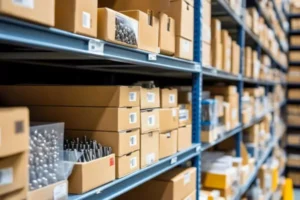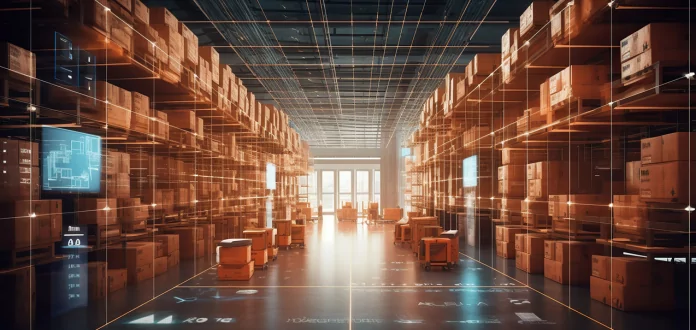
Illustration of an international network.

The Logistics Network and the Role of the Distribution Center

In the world of supply chain, the logistics network represents the integrated set of infrastructure, logistics resources, processes, and digital technologies that enable efficient and responsive distribution logistics, from the producer to the final consumer. A well-organized system includes several key elements, including logistics hubs, logistics warehouses, and distribution centers, each with specific functions that contribute to ensuring fast delivery times and optimized costs.

In this article, we will analyze the functioning of the logistics network with a particular focus on the distribution center, the beating heart of modern distribution.

How to Design a Logistics Network: Structure, Nodes, and Enabling Technologies

The logistics network is a complex web of interconnected infrastructure working in synergy to ensure the optimal management of material flows. We can identify some macro-types of logistics nodes within a network:

  • Logistics hubs: large platforms that serve as sorting hubs for goods destined for multiple regions.
  • Logistics warehouses: facilities dedicated to storage, inventory management, and operational support.
  • Distribution centers: operational units that handle the receipt, preparation, and shipment of orders to final customers.

The efficiency and optimization of a logistics network depend on strategic distribution design and the adoption of digital technologies, such as: ERP systems, WMS, demand planning tools, and collaborative platforms for real-time monitoring.

Illustration of an innovative process.

The Logistics Node: The Heart of the Supply Chain

Each element of the logistics network must be designed to manage the main operational phases of the supply chain in an integrated manner. Its functions are divided into:

1. Receipt and sorting of goods: goods moving from various suppliers or production plants arrive at the distribution center where they are registered, checked, and sorted. This phase is essential to ensure product traceability and quality, avoiding errors and inefficiencies in subsequent distribution. Fundamental aspects of the process include the importance of having dedicated areas to distinguish incoming material, inspected material, and material ready for storage, as well as the importance of tracking through IT systems such as ERP or dedicated software. Not having dedicated areas for each phase of the process can lead operators, or the system in general, to make errors that would slow down the material flow. A very common practice in warehouses is scanning items with barcodes to ensure material traceability and always have information related to a specific code at hand (entry date, warehouse location, production lot…).

2. Storage and inventory management: within the distribution center, goods are organized according to rotation criteria (such as: FIFO – First In, First Out; LIFO – Last In, First Out; FEFO – First Expired, First Out) and category. Automation and warehouse management software (WMS – Warehouse Management System) are fundamental tools that help monitor stock in real time, optimizing space and reducing the risk of overstock, stock-outs, and inefficiencies in distribution logistics. More general logic, such as the analysis of rotation indices, allows for the optimization of goods placement, for example, by placing high-rotation products in the most accessible locations to improve efficiency.

3. Order preparation and picking: one of the crucial phases of the logistics process is picking, which is the selection and retrieval of items needed to compose an order. This step directly affects the quality of service perceived by the final customer. The main objective is to maximize picking accuracy (reducing errors) and at the same time minimize order lead times. To do this, increasingly advanced technologies and methodologies are employed, including:

  • RFID systems and barcodes: precisely track every item moved, speeding up picking confirmation and reducing the chance of error.
  • Voice picking: allows operators to receive voice instructions via headsets, leaving their hands free to operate and improving work ergonomics.
  • Collaborative robotics: robots assist the operator in transporting or delivering the picked goods, reducing downtime and unnecessary paths.

From a methodological point of view, picking logic varies depending on the warehouse layout, product type, and order volume. The main strategies include:

  • Discrete picking (per order): each order is prepared individually, ideal for complex or high-value orders.
  • Batch picking: multiple orders are picked simultaneously and then subdivided later, optimizing paths and reducing picking times.
  • Zone picking: divides the warehouse into areas assigned to specific operators, useful for large facilities or high-rotation products.

The effectiveness of this phase depends heavily on the organization of spaces and paths, the arrangement of products, and the integration of warehouse IT systems, which orchestrate timing, priorities, and resources. A good picking strategy allows for increased productivity, reduced returns due to errors, and an improved final customer experience.

4. Shipping and distribution: after packaging and labeling, products are sorted for shipment.
Depending on the destination, a logistics node organizes shipments to optimize delivery times and reduce transport costs. Transport modes can vary, including options such as full truckload or milk-run, to optimize routes and loads. The main objective is to ensure that products reach their destination within the expected time and cost.

All these activities are supported by control and performance systems (KPIs) to ensure process efficiency and visibility. The goal is to minimize time and costs, ensuring a reliable and effective logistics service.

Illustration of a logistics process.

How to Optimize a Logistics Network: Costs, Scenarios, and Performance Indicators

Optimizing a logistics network requires a structured methodology of analysis, design, and evaluation of distribution scenarios. Four phases can be identified:

Phase 1: Define the cost structure
The first step is the detailed mapping of the cost items that make up the logistics network. The main categories include:

  • Transport: inbound and outbound transport costs.
  • Internal handling: activities carried out within warehouses and distribution centers, such as receiving, storage, picking, and order preparation.
  • External handling: outsourced services such as, for example, outsourcing picking or packaging activities, often managed by logistics operators.
  • Shuttling: internal transfers between different logistics sites or production plants and distribution centers (shuttles, partial or dedicated loads).
  • Infrastructure rent: lease payments, building operating costs, and fixed expenses related to the use of physical structures.

Phase 2: Identify cost drivers
For each item, it is essential to identify the main factors influencing expenditure, including:

  • Transport: volumes moved, distances traveled, vehicle saturation, shipment frequency.
  • Internal handling: product mix, level of automation, order complexity, hourly operator productivity.
  • External handling: contract rates, supplier flexibility, required service levels.
  • Shuttling: number of trips, mileage, average capacity used, synchronization with production or distribution processes.
  • Infrastructure rent: surface area used, geographic location, contract duration, ancillary energy costs.

Phase 3: Outline scenario hypotheses
Different scenarios are developed to configure the logistics network under study. The parameters that must be defined to outline a scenario are:

  • Number of logistics nodes: how many warehouses and hubs to have along the network; one can hypothesize having many geographically distributed hubs or a few logistics nodes where multiple activities and volumes are consolidated.
  • Positioning: once the number of logistics nodes is defined, their geographic positioning is hypothesized, which can be close to supply points, close to markets/points of use, or in centralized positions.

Phase 4: Comparison between scenarios
Each scenario is evaluated based on a series of key parameters:

  • Overall costs
  • Lead time and network responsiveness
  • Operational flexibility
  • Overall environmental impact

Comparative analysis allows for guiding the strategic choice based on corporate objectives and available resources.

The Importance of a Well-Designed Logistics Network

In an increasingly unstable, fast, and connected world, the strategic design of a logistics network is no longer a simple operational activity, but a true strategic lever to increase the efficiency of the logistics chain as a whole. Companies that invest in a well-structured logistics network – flexible, sustainable, and supported by technology – are those that manage to respond better to crises, satisfy new customer expectations, and reduce costs and environmental impacts.

Ultimately, today, designing a logistics network means designing the company’s ability to compete in the future at sustainable costs. Makeitalia can support you in this: contact us!


Illustration of a warehouse.

Strategies for Cost Reduction in Warehouse Logistics

The Importance of Addressing Warehouse Costs

Beyond Productivity: Why the Warehouse Is a Critical Cost Center

When discussing internal logistics, focus often centers on flow efficiency and delivery punctuality. However, the warehouse is not just a support function: it is a true cost center that significantly impacts corporate profitability.

From space management to goods storage, and from handling times to manual activities, every stage of the logistics cycle generates direct and indirect costs that, if not monitored and optimized, can substantially reduce operating margins.

Addressing these costs does not simply mean “cutting,” but rethinking the logistics model from a strategic perspective: minimizing waste, increasing space saturation, reducing inventory, improving times, and simplifying processes.

In an industrial context where competitiveness is increasingly played out on internal efficiency, optimizing warehouse costs is a fundamental lever for improving overall Supply Chain performance.

Main Cost Items in Internal Logistics

Fixed and Variable Costs: What Really Impacts the Logistics Budget

To effectively intervene in reducing logistics costs, it is essential to understand the items that make up the warehouse budget. Costs are divided into two main categories: fixed and variable.

Fixed costs include structural and recurring expenses, such as:

  • Rent or depreciation of warehouse space
  • Maintenance of plants and equipment
  • Dedicated fixed personnel costs
  • IT systems and management software

Variable costs, on the other hand, are linked to the volume of activity and operational flexibility. These include:

  • Energy and goods handling costs
  • Consumables (packaging, labels, etc.)
  • External or temporary labor
  • Ancillary services (internal transport, sanitization, etc.)

Precisely analyzing the impact of each item allows for the identification of areas with high economic impact and the design of targeted optimization interventions.

Infographic with various charts on a tablet.

Hidden Costs That Are Often Overlooked

Beyond obvious expenses, there are numerous hidden costs that escape traditional accounting analysis but significantly compromise profitability.

Some examples:

  • Downtime in picking and handling operations
  • Human error in inventory management or order preparation
  • Underutilized or poorly organized spaces
  • Obsolete or deteriorated inventory occupying space and capital
  • These elements, if not monitored and corrected, can generate a domino effect across the entire Supply Chain, slowing down flows, increasing lead times, and negatively impacting service levels.

For this reason, an advanced approach to logistics management also involves the identification and economic valuation of hidden costs, making them visible, measurable, and—above all—reducible.

Operational Strategies to Reduce Warehouse Costs

1. Optimize Space: Layout, Slotting, and Saturation

Space is not neutral: it is a resource to be exploited to the fullest. Optimizing the arrangement of goods in the warehouse through intelligent slotting logic allows for reduced travel paths, faster operations, and increased shelf saturation rates. This translates into a decrease in costs per square meter used and better utilization of the existing structure without having to resort to extensions or additional rentals.

2. Improve Inventory Management: ABC, XYZ Methods, and Rotations

An advanced inventory management system directly impacts costs. Applying classification methods such as ABC (economic value) and XYZ (demand predictability) allows for the definition of operational priorities and differentiated reordering strategies. Furthermore, monitoring the rotation index helps identify obsolete or slow-moving stock, which generates tied-up capital and wasted space.

3. Automate Internal Processes: Focus on WMS and Traceability

A Warehouse Management System (WMS) allows for the digitalization and structured control of all warehouse activities: receiving, storage, picking, packing, and shipping. Complete traceability of movements reduces errors, improves data reliability, and allows for the optimization of operational flows. The result is a significant reduction in costs related to manual activities and operational errors.

4. Streamline Handling Activities: Reduce Non-Productive Time

Every minute lost in internal handling is a cost. Analyzing the operational layout, studying picking flows, and defining logical paths allows for drastically reducing downtime and inefficiencies. Even small interventions, such as repositioning high-rotation items in more accessible areas, can generate measurable savings in daily activities.

5. Digitalize KPI Control: Real-Time Monitoring

Measure to improve. Implementing a continuous monitoring system for logistics Key Performance Indicators provides immediate visibility into costs and efficiency. Indicators such as internal lead time, inventory accuracy, or average picking time become decisive tools for making data-driven and savings-oriented decisions.

Warehouse shelving with boxes for inventory and logistics management

Toward More Efficient and Sustainable Internal Logistics

How to Intervene Progressively but Structurally

Reducing warehouse logistics costs does not mean overturning the entire system, but starting a continuous improvement process based on concrete data and progressive actions. Every intervention, even small, can contribute to creating a more efficient, flexible, and sustainable warehouse over time.

The first step is to objectively analyze the current situation, identifying waste, bottlenecks, and low-performance areas. Subsequently, it is possible to plan targeted interventions, from re-layout to picking process revision, and from operations digitalization to constant monitoring of operational KPIs.

A structured approach allows for balancing investments and benefits, avoiding spot interventions or uncoordinated actions. The goal is not just cost containment, but the construction of internal logistics capable of adapting quickly to changes in demand and supporting the overall performance of the enterprise.

Why Rely on a Specialized Partner Like Makeitalia

Consulting, Implementation, and Continuous Improvement

Reducing internal logistics costs requires cross-functional skills, a systemic vision, and the experience to translate analysis into concrete results. This is why many companies choose to rely on specialized partners like Makeitalia.

Thanks to an approach based on consolidated methodologies and advanced tools, Makeitalia supports companies in the diagnosis of logistics costs, the definition of optimization plans, and the implementation of tailored solutions. Every intervention is guided by objective data and measurable KPIs, with a constant focus on continuous improvement.

From space reorganization to process digitalization, and from inventory management revision to hidden cost analysis, Makeitalia supports companies in transforming warehouse logistics into a true strategic asset for competitiveness.

Contact us to discover how to reduce your warehouse costs and build more efficient, solid, and future-oriented logistics.

Digital interface with green icons for Supply Chain sustainability

Procurement and Sustainability Challenges

The theme of sustainability in purchasing has become a pillar of modern corporate management. The procurement function, once focused only on costs and supplies, today represents a strategic lever to guide the entire enterprise toward more sustainable models that are compliant with regulations and competitive on the global market.

Why Sustainability in Procurement Is a Strategic Priority

Procurement as a Competitive Lever

Corporate procurement is no longer an exclusively operational function, but a key element for differentiating the company in the market. Integrating sustainability logic into purchasing means rethinking the entire sourcing strategy, moving from management oriented only toward cost to a vision that considers environmental, social, and governance impacts. Companies that adopt this approach not only reduce regulatory and reputational risks but also gain a concrete competitive advantage, positioning themselves as reliable partners for customers and stakeholders.

In an increasingly regulated context attentive to ESG issues, sustainability becomes a selection criterion for suppliers, customers, and investors. The ability to measure, monitor, and communicate the environmental and social results of the purchasing function strengthens corporate credibility and allows for the attraction of new collaborations. In this scenario, procurement is transformed into a strategic player, capable of generating not only economic but also environmental and social value.

Supplier Engagement and ESG Objectives

The success of sustainable procurement strategies depends not only on internal company choices but also on the ability to involve the entire supplier network. Today, organizations are called upon to collaborate actively with partners and sub-suppliers to ensure transparency, traceability, and alignment with ESG objectives. This requires a paradigm shift: no longer transactional relationships, but lasting partnerships oriented toward the creation of shared value.

Establishing environmental and social criteria in supplier qualification and evaluation processes is the first step toward consolidating a sustainable supply chain. The inclusion of specific sustainability KPIs allows for constant performance monitoring and the activation of corrective actions when necessary. In this way, procurement contributes directly to building a resilient supply chain compliant with European regulations, transforming sustainability into a growth driver for the entire organization.

Regulations and CSRD: The Impact on the Supply Chain

Corporate Sustainability Reporting Directive (CSRD)

With the introduction of the Corporate Sustainability Reporting Directive (CSRD), sustainability in procurement is no longer a discretionary choice but a regulatory obligation. Medium and large-sized enterprises are now required to report their ESG performance transparently, including the analysis of emissions and environmental impact along the entire supply chain. This implies a qualitative leap in the processes of data collection, processing, and communication, which must be accurate, verifiable, and compliant with international standards.

Procurement thus becomes a function directly involved in regulatory compliance processes. The ability to provide structured and traceable data on suppliers and purchased materials is essential to satisfy the directive’s requirements. It is not just about responding to a regulatory constraint, but about adopting an organizational model that strengthens transparency and consolidates the trust of customers, investors, and stakeholders.

Transparency and Reporting Along the Supply Chain

One of the most complex aspects introduced by the CSRD concerns the level of detail required in ESG reporting. Companies cannot limit themselves to monitoring their internal activities but must extend data collection to first- and second-tier suppliers, covering the entire supply chain. This involves a significant commitment to building monitoring and communication systems with supply chain partners.

Transparency is not just a formal requirement, but an element that strengthens the credibility of corporate procurement. Having reliable and complete data allows for more precise identification of critical points, the development of targeted strategies, and the demonstration of an authentic commitment to sustainability to stakeholders. In this scenario, reporting becomes a governance tool and an innovation accelerator, capable of guiding strategic and operational choices throughout the supply chain.

Scope 3 Emissions and Purchasing Carbon Footprint

The Weight of Scope 3 Category 1 Emissions

Within the corporate carbon footprint, the most significant component is often represented by Scope 3 emissions, particularly Category 1 relating to the purchase of goods and services. In numerous industrial sectors, this item can exceed 70% of total emissions, making procurement a decisive player in achieving sustainability goals. This is not a technical detail, but a strategic responsibility that affects the company’s ability to demonstrate its commitment to decarbonization.

Measuring and reducing emissions related to purchases means going beyond monitoring direct activities. It requires the ability to evaluate environmental impacts throughout the supply chain, considering suppliers, sub-suppliers, and materials used. In this context, corporate procurement must take on a leadership role, promoting selection criteria based not only on costs and delivery times but also on environmental performance and the ability to contribute to ESG objectives.

Critical Issues in Data Collection and Quality

One of the main obstacles in measuring Scope 3 emissions concerns data quality. Often, the available information is incomplete, inconsistent, or outdated, resulting in difficulties in building accurate analysis models. Furthermore, not all suppliers have the same maturity in terms of environmental monitoring: small and medium-sized enterprises, in particular, may encounter difficulties in providing reliable primary data.

To address these critical issues, it is necessary to adopt a progressive approach that allows starting from estimates based on spending for purchased materials and gradually refining the analysis as the availability of reliable data grows. Actively involving suppliers in data collection thus becomes a mandatory step to increase measurement precision and consolidate the credibility of the reporting system. Only through structured and collaborative supply chain management is it possible to transform emissions measurement into an operational tool of strategic value.

Professional using a tablet for digital monitoring of business processes

Operating Models for Sustainable Procurement

Progressive and Scalable Approach

Not all companies start from the same level of maturity regarding procurement sustainability. Some already have structured tools for measuring their carbon footprint, while others are in the initial stages. For this reason, it is necessary to adopt a scalable model capable of adapting to different organizational needs. The first step consists of using available data and standardized methods to obtain a preliminary estimate, which represents a solid base for subsequent evolutions.

The progressive approach allows starting from analyses based on spending and product categories and refining the results over time, thanks to the introduction of more detailed parameters. This method reduces the risk of blocking projects due to a lack of information, favoring instead a path of continuous improvement consistent with international regulations.

Active Involvement of the Supply Chain

The success of operating models for sustainable procurement depends on the direct involvement of the supply chain. Without the active collaboration of suppliers, any measurement system risks being incomplete or unreliable. It is therefore fundamental to establish partnerships with strategic partners, motivating them to share quality primary data and participate in environmental improvement programs.

Through constant dialogue and the inclusion of environmental KPIs in contracts, companies can obtain increasingly precise information and stimulate virtuous behavior throughout the supply chain. This process not only improves transparency but also consolidates the company’s ability to demonstrate compliance with European directives and to differentiate itself through a concrete commitment to sustainability.

Methodological Compliance and International Standards

Another crucial element is compliance with globally recognized standards, such as the GHG Protocol. The adoption of consolidated methodologies guarantees data comparability, calculation repeatability, and model robustness. For procurement and operations managers, this means being able to count on a reliable system recognized by external stakeholders, such as customers, investors, and regulatory authorities.

Standardization of practices does not limit flexibility but increases its effectiveness. Companies operating with compliant and transparent tools strengthen their reputation and reduce the risk of disputes. In this way, the procurement function becomes a benchmark not only for process efficiency but also for the credibility of corporate ESG governance.

Green sprout on metal chain for Supply Chain sustainability and resilience

From Measurement to Governance: Integrating Sustainability into Corporate Strategy

Data as Support for Purchasing Decisions

Measuring the Supply Chain Carbon Footprint is not an end in itself, but a tool to guide more informed decisions. The data collected allows procurement teams to guide supplier selection also based on environmental criteria, complementing traditional economic parameters with indicators related to emissions and ESG performance. This approach transforms sustainability into a decision-making factor, capable of concretely influencing negotiation dynamics and the selection of strategic partners.

The integration of environmental KPIs into evaluation systems and digital procurement platforms makes constant performance monitoring possible, offering an updated and verifiable picture. In this way, sustainability becomes a daily operational criterion, no longer relegated to isolated initiatives or experimental projects, but an integral part of corporate governance.

Action Plans and Continuous Improvement

The analysis and measurement phase must necessarily evolve into structured intervention plans. Identifying the most impactful product categories allows for the definition of clear priorities and the concentration of resources on high-value-added actions. Reducing emissions, optimizing sourcing processes, and selecting more sustainable suppliers are just some of the areas to be addressed progressively.

An effective governance system also includes constant monitoring of results, the definition of measurable objectives, and periodic strategy updates. This ensures consistency with stakeholder expectations and alignment with current regulations. The continuous improvement approach allows companies to transform sustainability from a regulatory obligation into a competitive lever, consolidating the procurement function as a benchmark for the responsible and lasting growth of the organization.

Makeitalia’s Concrete Approach

From Data to Action: An Operational Path

Makeitalia‘s experience in supply chain management allows for the translation of emissions measurement into concrete and measurable actions. The approach adopted is progressive and personalized: it starts with a preliminary assessment of emissions related to purchases by product category and proceeds with a gradual refinement of the calculation, until a robust and replicable monitoring system is built. This method allows companies to start the sustainable procurement journey without having to wait for perfect data or already consolidated systems.

Every phase is oriented toward generating practical results, from identifying areas with the greatest environmental impact to defining operational priorities. In this way, companies not only satisfy the regulatory requirements of the CSRD but also develop an ESG governance model capable of strengthening their competitiveness in the market.

Tailor-Made Support for Companies

The strength of the Makeitalia model lies in its ability to adapt to the maturity and specific needs of each client. Whether the company is at the beginning of the journey or has already implemented advanced monitoring systems, the support offered is always personalized and aimed at building scalable and sustainable solutions over time. Thanks to a team of expert consultants, Makeitalia supports corporate procurement and operations managers in all phases, from designing the measurement model to managing supplier relationships.

The goal is to provide concrete tools to transform sustainability into an operational advantage: reducing line downtime risks, optimizing flows, improving data quality, and strengthening governance. Every intervention is designed to guarantee tangible and measurable results, consolidating the company’s reputation and increasing its competitive resilience.

Build Your Sustainable Supply Chain with Makeitalia

Sustainability is no longer an optional choice, but a strategic factor that determines the solidity and growth of the enterprise. Makeitalia offers a concrete, scalable approach compliant with international standards, capable of transforming regulatory constraints into development opportunities. Through data analysis, supply chain involvement, and the implementation of progressive models, we support companies in making sustainability an integral part of their procurement strategies.

Contact us today to discover how we can help you build a solid emissions measurement system and integrate sustainability into your supply chain. With Makeitalia, sustainability in purchasing becomes a concrete lever for competitiveness and governance.

Heavy vehicles in logistics area for freight transport and Supply Chain management

Streamlining Transportation: Strategies to Reduce Costs and Improve Performance

The Cost of Transportation and Its Impact on Business

Identifying Hidden Costs and Main Expense Items

In the business context, transportation represents one of the most significant cost items, directly influencing profitability and operational efficiency. Beyond obvious expenses like fuel and tolls, there are hidden costs often underestimated. Delivery delays, inefficient routes, and poorly optimized load capacity management can generate significant waste. A detailed analysis of these aspects allows for the adoption of targeted strategies to reduce costs and improve overall performance. An effective management system must consider every factor, from shipping times to contractual conditions with logistics service providers.

Expense Parameters and Cost Control in Transportation

Monitoring the impact of transportation on business operations is essential for conscious resource management. Cost per kilometer, vehicle saturation index, and efficiency in supplier management are key parameters for cost optimization. Regular analysis allows for identifying areas for improvement and implementing timely corrective actions. Through a data-driven approach, it is possible to reduce unnecessary expenses and optimize processes, ensuring more efficient and sustainable transportation.

Spending Optimization: Strategies for Cost Reduction

To reduce transportation-related costs, it is crucial to adopt strategies that improve operational efficiency and resource management. Optimizing routes reduces mileage, cutting fuel consumption and lowering the risk of delays. Negotiating advantageous contracts with carriers allows for more competitive rates, improving overall profitability. Furthermore, effective shipping planning minimizes empty trips, maximizing the use of available vehicles. Tools such as tender management and the implementation of access gates to routes improve expense control and logistics management.

Transportation Planning and Assignment

Contracting in Transportation: Own Account vs. Third-Party Transport

Companies must carefully evaluate whether to manage transportation internally or outsource it to third parties. Own account transport offers greater control over operations, ensuring a more personalized and responsive service, but involves high fixed costs. Conversely, third-party transport allows for greater flexibility, reducing initial investment and delegating operational management to specialized operators. The choice depends on multiple factors, including shipment volume, destinations, and the need for direct control over logistics.

The Role of Tenders in Carrier Selection

Assigning transportation through tenders is a fundamental strategy for identifying the most competitive suppliers, ensuring the right balance between service quality and cost optimization. Through a structured process, it is possible to evaluate key parameters such as reliability, adherence to timelines, and economic conditions, guaranteeing a transparent and effective selection. A well-managed tender also helps to reduce inefficiencies, improve tariff negotiation, and optimize the management of transport contracts, contributing strategically to the economic sustainability of the supply chain.

Strategies for Negotiating and Optimizing Transport Contracts

Well-structured contracts are essential for reducing costs and improving operational management. Elements to consider include:

  • Managing fuel price fluctuations through fuel surcharge
  • Defining clear payment terms and well-delineated liability clauses
  • The possibility of scaling rates based on transport volumes, optimizing the unit cost per shipment

Careful negotiation allows for reducing risks and obtaining more advantageous conditions, improving corporate competitiveness.

Industrial digital terminal for controlling and managing production processes

Optimized Transportation Organization and Management

Centralized vs. Decentralized Processes in Logistics

A centralized organization of transport management helps reduce inefficiencies and duplications, ensuring optimal resource utilization. This model allows for greater control over operations and standardization of processes, facilitating performance monitoring. However, a decentralized approach, if well-managed, can offer greater responsiveness and flexibility, especially in contexts with differentiated logistical needs.

The Traffic Manager and Expense Control in Transportation

The Traffic Manager is a key figure in transport management, responsible for ensuring operational efficiency and cost containment. Their activities include:

  • Monitoring transport expenses and identifying savings opportunities
  • Evaluating carrier performance and optimizing routes
  • Implementing strategies to improve logistics flow management

A strategic role that contributes to improving the efficiency of the entire supply chain.

KPI Monitoring: Efficiency, Punctuality, and Operational Costs

The analysis of Key Performance Indicators (KPIs) is crucial for measuring the effectiveness of transport management. Key indicators to monitor include delivery punctuality, average vehicle saturation, and average cost per shipment. Constant monitoring allows for identifying inefficiencies and implementing targeted strategies to improve productivity and reduce operational costs.

Colored interlocking blocks representing process integration in the Supply Chain

The Future of Logistics and Transportation

Evolution of Transport Management and New Operating Models

New industry trends highlight an evolution towards integrated management models, with the increasing use of digital tools to improve planning and reduce downtime. The adoption of innovative solutions contributes to greater operational efficiency and resource optimization.

Innovations in Assignment and Logistics Optimization Systems

The introduction of advanced algorithms and machine learning tools is transforming the logistics sector. These technologies allow for analyzing large amounts of data, optimizing routes, predicting potential delays, and improving transport management. The use of predictive systems enables more precise planning and a reduction in operational costs.

Contact Makeitalia for Specialized Consulting

Discover how to optimize your logistics with Makeitalia’s support. Contact us today to improve efficiency and reduce transport costs!

Digital interface with certification for quality control in Supply Chain processes

Ensuring Quality in the Supply Chain: Methods and Strategies

The Importance of Quality in the Supply Chain

In today’s context, ensuring quality in the Supply Chain is not just an operational necessity, but a strategic competitive advantage. Quality directly affects process efficiency, customer satisfaction, and corporate reputation, making a systematic and proactive approach essential.

Impacts of Quality on Corporate Competitiveness

High quality in Supply Chain management allows companies to:

  • Reduce operational costs thanks to smoother processes and fewer errors.
  • Increase customer satisfaction with reliable products and services.
  • Build a sustainable competitive advantage based on reliability and consistency.

Adopting high quality standards ensures not only regulatory compliance, but also greater agility in responding to market changes.

Risks Associated with Inadequate Quality

Ineffective quality management in the Supply Chain can have serious consequences:

  • Hidden costs: resulting from returns, rework, and production losses.
  • Reputational damage: caused by defective products or delivery delays.
  • Loss of customers: due to growing dissatisfaction and lack of trust.

To avoid these risks, it is essential to implement robust quality control systems and adopt a prevention-based approach.

Quality Indicators in the Supply Chain

Monitoring and ensuring quality in the Supply Chain requires the use of key performance indicators (KPIs) and specific metrics. These tools help companies measure results, identify areas for improvement, and implement effective strategies to maintain high standards.

KPIs for Quality Monitoring

KPIs represent an essential benchmark for evaluating the effectiveness of quality processes in the Supply Chain. Among the main ones we find:

  • Non-compliance rate: percentage of products or services that do not meet quality standards.
  • Mean time to resolution: duration required to manage and resolve quality-related issues.
  • Return rate: proportion of products returned by customers due to defects or quality problems.

By analyzing these KPIs, companies can identify process inefficiencies and intervene promptly to improve quality management.

Dashboard with charts and data for monitoring Supply Chain performance

Metrics for Evaluating Supplier Performance

Supply Chain quality also depends on supplier performance. Some fundamental metrics for evaluating it include:

  • On-Time Delivery Rate: percentage of deliveries made on time compared to agreements.
  • Supply quality: evaluation of compliance with the required quality standards.
  • Reliability index: overall measure of supplier performance in terms of punctuality, quality, and flexibility.

These data allow for maintaining productive relationships with reliable suppliers and implementing continuous improvement strategies.

Methods to Ensure Quality in the Supply Chain

To ensure high standards of quality in the Supply Chain, it is fundamental to adopt structured and innovative methods. These tools and strategies offer companies the opportunity to optimize processes, prevent errors, and ensure customer satisfaction.

Digital Transformation and AI for Quality

Digital transformation is revolutionizing quality management thanks to the use of advanced technologies such as Artificial Intelligence (AI). These tools allow for:

  • Real-time monitoring of product and process quality along the supply chain.
  • Predicting anomalies through the analysis of historical and current data.
  • Automating controls, reducing errors and intervention times.

For example, the implementation of IoT sensors allows for the collection of precise data, improving traceability and compliance with standards.

Total Quality Management (TQM)

Total Quality Management (TQM) is a systemic approach that involves all corporate levels to ensure quality at every stage of the Supply Chain. This method is based on:

  • Employee involvement: empowering staff to continuously improve processes.
  • Customer-oriented approach: meeting and exceeding customer expectations.
  • Performance measurement: using data and analysis to identify improvements.

TQM helps companies develop a culture of quality, integrating sustainable and innovative practices.

Quality Audits and Certifications

Audits and certifications represent indispensable tools for maintaining compliance with international standards. Among the main practices we find:

  • Internal and external audits: periodic checks to verify process compliance.
  • ISO certifications: such as ISO 9001, which guarantees the adoption of globally recognized quality management systems.
  • Continuous monitoring: maintaining high quality standards through regular checks and improvement plans.

These tools not only ensure compliance but also strengthen corporate reputation and customer trust.

Strategies for Improving Quality

To ensure and improve quality in the Supply Chain, it is essential to adopt strategies that involve all actors and processes. Integrated quality management not only reduces risks but also creates sustainable value for the company and its stakeholders.

Collaboration with Suppliers

Collaboration with suppliers is one of the main levers for improving overall quality. Through a strategic partnership, companies can:

  • Share quality standards: establish common criteria to ensure consistency in processes.
  • Conduct regular audits: periodically verify supplier performance to maintain high quality standards.
  • Foster co-creation: work together to develop innovative solutions and improve products.

Investing in solid relationships with suppliers not only improves quality but also strengthens Supply Chain resilience.

Handshake between professionals in an industrial environment for Supply Chain collaboration

Implementation of Feedback Systems

Feedback systems represent a key tool for monitoring and improving quality. Through the implementation of structured channels, companies can:

  • Collect real-time data: quickly identify issues and opportunities for improvement.
  • Analyze customer complaints: transform feedback into corrective and preventive actions.
  • Promote a proactive approach: use data to anticipate market needs.

A well-managed feedback system allows the company to respond quickly and effectively, keeping customer satisfaction at the center of its activities.

Staff Training and Involvement

Staff are the heart of corporate quality. A properly trained and involved workforce contributes significantly to the success of the Supply Chain. Here is how to improve employee contribution:

  • Continuous training programs: updating skills to adapt to new technologies and practices.
  • Involvement initiatives: promoting a corporate culture that values quality and teamwork.
  • Collaboration tools: providing technologies and resources that facilitate communication and problem-solving.

Involving employees not only improves quality but also creates a more motivating and productive work environment.

How Makeitalia Supports Quality in the Supply Chain

Makeitalia stands out for its commitment to ensuring high quality standards in the Supply Chain, offering tailored solutions and an innovative approach that meets the specific needs of each client. Discover how our advanced services and methodologies can make a difference for your company.

Personalized Consulting Services

Thanks to a team of experts, Makeitalia provides personalized consulting to address quality-related challenges. Our services include:

  • Detailed analyses of the production chain to identify and resolve inefficiencies.
  • Definition of strategies to improve quality in all phases of the Supply Chain.
  • Operational support to implement continuous improvement processes.

Each intervention is designed to optimize corporate performance and ensure concrete, measurable results.

Proactive Approach to Quality Management

Makeitalia’s approach to quality management is proactive, aimed at preventing problems before they manifest. This includes:

  • Constant monitoring of suppliers to ensure compliance with standards.
  • Implementation of real-time quality control systems.
  • Training and awareness of staff on best practices and industry innovations.

This methodology not only reduces risks but also improves the reliability of corporate processes.

Contact Us to Optimize Your Supply Chain Quality

If you wish to improve the quality of your Supply Chain and gain a competitive advantage, Makeitalia is the ideal partner for your needs. With consolidated experience and a results-oriented approach, we can help you transform challenges into growth opportunities.

Thanks to our personalized services, we are able to support you at every stage, from the analysis of the production chain to the definition of innovative strategies to ensure high quality standards. We are here to help you improve efficiency, reduce risks, and enhance your company’s competitiveness.

Contact us today to discover how we can support you in optimizing your Supply Chain with solutions tailored to your business.

Digital interface with professionals for managing teams and business processes

Cost Analysis in the Supply Chain: The Cost Breakdown

In today’s competitive landscape, Cost Analysis in the Supply Chain plays a crucial role in ensuring companies’ efficiency and competitiveness. Accurately understanding and managing operational costs allows for identifying areas for improvement, optimizing resources, and supporting informed strategic decisions.

Among the most effective methodologies, Cost Breakdown stands out as a key tool for disaggregating and analyzing costs in detail. This technique not only facilitates a transparent view of expenses but also proves indispensable in negotiations with suppliers, make-or-buy evaluations, and calculating target prices during supplier scouting.

In this article, we will explore how Cost Breakdown can transform cost management in the Supply Chain, offering pragmatic and results-oriented solutions to improve business performance and ensure a sustainable competitive advantage.

What Is Cost Breakdown and Its Importance in the Supply Chain

Definition of Cost Breakdown

Cost Breakdown is an analytical approach that disaggregates the overall costs of a component into its various constituent parts, such as the cost of Raw Materials, Processing, and Overhead Expenses. This methodology provides a detailed and transparent view of costs, facilitating more effective and informed management of company resources.

Primary Use: Supplier Negotiation Tool

Cost Breakdown primarily serves as an indispensable tool in Supplier Negotiations. Thanks to the detailed cost breakdown, companies can negotiate more effectively, based on concrete and specific data. This approach allows for:

  • Identifying Costs associated with each component, facilitating comparison between different Suppliers.
  • Negotiating More Competitive and Advantageous Prices based on a thorough understanding of expenses.
  • Establishing More Transparent and Collaborative Relationships with Suppliers, improving the quality of partnerships.

Other Applications of Cost Breakdown

Make-or-Buy Evaluations

In addition to supplier negotiations, Cost Breakdown is a valuable tool for Make-or-Buy evaluations. This process involves deciding whether to produce a component internally (Make) or purchase it from an external Supplier (Buy). By analyzing the costs associated with both options in detail, companies can:

  • Comparing Internal Production Costs versus external purchase.
  • Evaluating Operational Efficiency and the financial impact of each choice.
  • Making Informed Decisions that optimize resource use and improve company profitability.

Target Price Calculation

Cost Breakdown is also essential in calculating the target price to propose to Suppliers during the scouting phase. Establishing a target price based on a detailed cost analysis allows companies to:

  • Establishing Realistic and competitive prices that reflect actual costs.
  • Guiding Negotiations with a solid data foundation, reducing the suppliers’ negotiation margin.
  • Improving Competitiveness in the market through effective price management.
Business charts and reports for Supply Chain performance analysis

Advantages of Cost Breakdown in the Supply Chain

Greater Clarity

Cost Breakdown offers Greater Clarity in cost management, clearly distinguishing between Direct Costs and Indirect Costs. This distinction provides companies with a transparent view of expenses, facilitating the identification of specific areas where intervention is possible to optimize costs.

Waste Elimination

Through Cost Breakdown, it is possible to eliminate Waste by identifying inefficiencies in operational processes. This methodology allows for detailed analysis of each expenditure item, enabling the reduction of losses and improvement of operational flows throughout the entire Supply Chain.

Decision Support

Cost Breakdown provides fundamental Decision Support for planning Company Budgets. Thanks to a detailed and precise view of costs, companies can make more informed and strategic decisions, aligning financial resources with business objectives and improving overall operational efficiency.

Competitiveness

Adopting Cost Breakdown allows companies to increase their Competitiveness in the market. By managing costs more precisely and responsively, companies can improve their Business Performance, offering products and services at more competitive prices and increasing customer satisfaction.

Key Elements of the Cost Breakdown Structure (CBS)

Material Costs

The breakdown of Material Costs includes all expenses associated with raw materials, semi-finished products, and commercial components. This analysis allows for:

  • Identifying the objective cost of raw materials required for production.
  • Analyzing the impact of materials on the total product cost.
  • Comparing supplier costs to ensure fair and competitive margins.

Process Costs

Process Costs represent the expenses directly linked to transforming raw materials into finished products. They include:

  • Processing costs, such as labor and machinery use.
  • Assembly costs and other specific production processes.
  • Any expenses for quality control and testing.

A detailed analysis of Process Costs helps optimize production activities, improving operational efficiency.

Overhead Costs

Overhead Costs include all indirect expenses necessary to support the production process. They are divided into:

  • Fixed Costs: Expenses such as machinery depreciation and infrastructure management.
  • Variable Costs: Costs related to energy consumption, maintenance, and logistics.

Evaluating Overhead Costs is essential for identifying areas for improvement and reducing inefficiencies along the supply chain.

Hierarchical Cost Structure

The Hierarchical Cost Structure (CBS) is an organizational system that allows for mapping and analyzing costs at different levels, making the distribution of expenses along the entire production chain clearer. Through a hierarchical breakdown, it is possible to:

  • Identify the most significant cost areas.
  • Monitor and control expenses at every level.
  • Facilitate cost optimization and targeted management.

For example, transportation costs can be broken down into fuel, vehicle maintenance, and logistics fees, allowing for greater precision in analysis and management.

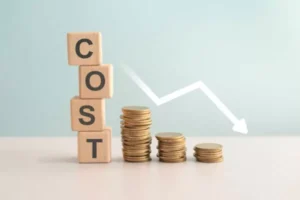
Wooden cubes with letters spelling "COST" arranged vertically next to coins.

Implementing Cost Breakdown in Your Company

Defining Objectives

Before initiating the implementation of Cost Breakdown, it is crucial to clearly define strategic objectives. Some examples of key objectives include:

  • Reducing Operational Costs: Identifying avoidable or optimizable expenses.
  • Improving Transparency: Gaining a clear and analytical view of all cost items.
  • Supporting Negotiations: Using concrete data to improve supplier relationships and negotiate advantageous terms.

Defining precise objectives allows for focusing the analysis and ensuring a tangible return from adopting Cost Breakdown.

Creating a Cost Breakdown Structure

Creating a detailed Cost Breakdown Structure (CBS) is the next step to effectively implement Cost Breakdown. This process involves:

  • Data Collection: Gathering accurate information on Material, Process, and Overhead costs.
  • Analytical Breakdown: Organizing data into clear and detailed categories for each component.
  • Defining Metrics: Establishing evaluation parameters to compare actual costs with industry benchmarks.

For example, an effective CBS for a mechanical component might include the cost of raw materials (e.g., steel), processing costs (e.g., turning, welding), and overhead costs (e.g., electricity, depreciation).

Continuously Monitor and Adapt

Cost Breakdown is not a static process but requires constant monitoring to remain effective over time. This includes:

  • Regular Data Updates: Integrating changes in market costs, purchase volumes, or production processes.
  • Adapting to Market Dynamics: Modifying the cost structure to respond to variations in raw material prices or exchange rates.
  • Evaluating Results: Monitoring the impacts of optimizations to ensure the achievement of predefined objectives.

Effective monitoring helps maintain business competitiveness, ensuring that Cost Breakdown remains a strategic tool for informed business decisions.

Why Integrate Cost Breakdown into Your Company

Integrating Cost Breakdown into your company represents a winning strategy to improve operational efficiency and measurably reduce costs. Companies that adopt this methodology can gain a clear and analytical view of their costs, optimizing resources and facilitating more informed strategic decisions.

By adopting Cost Breakdown, your company can achieve concrete results such as:

  • Reduction of operational costs: Optimization of production, material, and logistics costs.
  • Increased competitiveness: Greater efficiency in resource management and production processes.
  • Greater cost visibility: Detection and correction of inefficiencies in business processes in real-time.

Makeitalia is ready to support you in implementing Cost Breakdown, providing practical tools and customized solutions to optimize your Supply Chain and improve business results. Contact us today to discover how we can help you achieve more efficient cost management and enhance your company’s competitiveness.

Digital graphics with blue tones and a grid representing a technological network.

Temporary Management in Purchasing: Advantages and Opportunities

The Role of Temporary Management in the Purchasing Sector

In the current context, where companies must react quickly to market changes, Temporary Management in Purchasing is a strategic resource. This solution allows businesses to access specialized skills quickly and in a targeted manner, temporarily filling key positions and improving the efficiency of the purchasing process.

Temporary Management proves useful at various critical moments: from the launch of a new project, to improving supplier relations, to managing a sudden increase in demand. Thanks to the presence of experienced and highly qualified professionals, companies can maintain operational continuity, ensuring that strategic decisions are based on reliable data and industry best practices.

What Temporary Management Is and How It Applies to Purchasing

Temporary Management is a solution that involves the temporary placement of highly qualified managers in strategic positions. In the field of purchasing, this practice allows for a response to specific situations such as corporate restructuring, new projects, or temporary needs. Thanks to a Temporary Manager, companies can benefit from specialized skills and a targeted approach to improve the purchasing process without changing the permanent staff structure.

When and Why to Opt for Temporary Management in Purchasing

Resorting to a Temporary Manager can be particularly advantageous in various circumstances. Key situations include market changes, where rapid adaptation is crucial; the implementation of new purchasing strategies, for which updated skills are required; and cost reduction needs, which require an expert approach to achieve concrete savings. Temporary Management allows the company to reach these objectives with greater efficiency and in less time.

Temporary Management for Operational Roles in Purchasing

Temporary Management is not limited to managerial figures but also extends to operational roles, such as that of the Junior Buyer. This approach allows companies to integrate highly specialized temporary resources into daily purchasing processes, ensuring immediate and targeted support during transition periods or exceptional workloads.

A Junior Buyer, within the scope of Temporary Management, can perform fundamental operational activities, such as managing purchase requests, monitoring deliveries, and supporting the preparation of tenders. This figure allows the purchasing team to maintain operational continuity and precision, reducing the workload for internal staff and contributing to the achievement of corporate objectives.

Thanks to the flexibility of Temporary Management, companies can modulate the seniority level of resources based on their needs, creating a balance between strategic and operational skills that guarantees concrete and immediate results.

Graphics with yellow backgrounds and circular icons arranged in a grid.

Advantages of Temporary Management for the Purchasing Function

Temporary Management offers significant advantages for the purchasing function, as it introduces temporary specialized support that improves efficiency and flexibility. This solution allows for a prompt response to market challenges, optimizing the purchasing process and ensuring the achievement of corporate objectives in a targeted and structured way.

Flexibility and Rapid Adaptation

A Temporary Manager allows the company to adapt quickly to market changes and new needs without changing the permanent workforce. This flexibility is fundamental for responding immediately to unforeseen challenges, maintaining operational continuity, and improving the company’s adaptability.

Cost Optimization

Temporary Management promotes cost reduction in the procurement process, as an experienced Temporary Manager is able to identify and implement savings strategies, both operational and strategic. This optimization allows for concrete benefits without compromising the quality and effectiveness of the purchasing department.

Access to Skills and Best Practices in the Purchasing Sector

With Temporary Management, companies access advanced skills and best practices that increase the efficiency and innovation of the purchasing department. The presence of an experienced Temporary Manager introduces updated know-how and cutting-edge methodologies, helping the company develop a more strategic and competitive approach.

Opportunities for Temporary Management in Purchasing

Temporary Management offers numerous opportunities to optimize the purchasing sector, providing tailored strategic support. Its main applications allow for the support of corporate strategies and the management of specific projects, responding in a timely and targeted manner to market needs and operational challenges.

Management of Tenders and Complex Negotiations

An experienced Temporary Manager can facilitate the management of tenders and complex negotiations, bringing specific skills to address critical processes and optimize contractual terms. This figure offers a strategic contribution to negotiate advantageous conditions and strengthen relationships with suppliers, reducing risks and costs associated with such operations.

Implementation of New Procurement Strategies

The introduction of innovative procurement strategies is one of the key advantages of Temporary Management. A Temporary Manager can guide the company in adopting updated practices, such as Total Cost of Ownership (TCO) analysis and strategic supply source management, optimizing the purchasing process and increasing corporate competitiveness.

Supply Chain Integration and Development

Temporary Management also facilitates supply chain integration, improving supplier relationship management and creating a more flexible and reactive supply network. This strategic figure allows the company to implement collaborative practices with supply partners, increasing efficiency and reducing response times to market variations.

Knotted rope to represent criticality and complexity in Supply Chain processes

When to Choose a Temporary Manager for Purchasing

Relying on a Temporary Manager for the purchasing department can be decisive in particular corporate situations. This solution is strategic in contexts of transition or change, where temporary support is needed to maintain operational efficiency and achieve specific goals.

Some of the main indicators suggesting the need for a Temporary Manager include:

  • Corporate restructurings that require an expert and continuity-oriented approach to avoid disruptions in purchasing operations.
  • Sudden growth in demand, which can put pressure on the purchasing team. A Temporary Manager allows for the effective management of activity peaks.
  • Short-term projects that require specialized skills, such as the implementation of new technologies or innovative procurement strategies.

In these contexts, Temporary Management guarantees the presence of experienced professional figures, capable of guiding the purchasing department with targeted solutions and reducing the risks associated with structural changes.

Temporary Management as a Strategic Lever for the Purchasing Department

Temporary Management is confirmed as a strategic lever for optimizing the purchasing department, offering a targeted and flexible solution to address temporary needs and transition situations. From the management of tenders to the implementation of innovative procurement strategies, Temporary Management allows for a prompt response to corporate challenges, while ensuring operational efficiency and cost reduction.

Relying on qualified temporary professionals allows for gaps to be filled quickly and without structural impacts, increasing adaptability and improving the overall competitiveness of the department.

Contact Us to Optimize Your Purchasing Processes

If you want to improve the efficiency of your purchasing department and address temporary challenges with strategic support, Makeitalia is the ideal partner for your Temporary Management needs, from operational to managerial roles. With our experience in Supply Chain management and a tailored approach, we will help you identify effective and personalized solutions to optimize your purchasing processes.

Contact us to discover how Makeitalia can support your company in achieving operational and strategic objectives in the purchasing sector.

Digital globe on tablet for international Supply Chain management

Risk Management: How to Manage Risk in the Supply Chain

Risk Management is one of the fundamental building blocks for companies operating in highly complex networks. Behind a complex network lies an equally intricate Supply Chain. Tangible products, data, information, or services offered are the main protagonists within Risk Management. The identification, assessment, and mitigation of risks within Supply Chain Management are crucial to ensure operational continuity and the resilience of the entire supply chain.

Importance of Risk Management in the Supply Chain

Risk management in the Supply Chain is a key element for a company’s long-term sustainability and market competitiveness. In a highly globalized and interconnected context, numerous risks can negatively impact business performance. It becomes essential to adopt the mindset that events categorized as “extraordinary” are, in fact, “ordinary.” The only characteristic distinguishing an event considered “ordinary” from one that actually is, is “when.” The former, unfortunately, is not a predictable event. Therefore, it is necessary to prepare in order to:

  • Maintain operational continuity. The goal is to reduce operational disruptions and ensure the continuity of business activities. The ability to identify and mitigate risks allows for avoiding interruptions in production and logistics processes. For example, anticipating possible disruptions in the supply of critical materials enables the adoption of preventive measures, such as activating dual-source supplies, thereby avoiding production stoppages.
  • Reducing Costs. Preventing financial losses resulting from supply disruptions, damage to goods, or other adverse events. Risk management helps minimize costs associated with delays, damages, and inefficiencies. For example, proactive risk management might slightly increase prevention-related costs, but significantly reduce costs such as non-delivery fines, contractual penalties, and emergency management expenses.
  • Preserve corporate reputation. Maintain customer trust and protect the company’s reputation. Risk management contributes to building and maintaining a solid market reputation. Efficient risk management translates into greater reliability and security for a customer towards their supplier. An example could be transparent crisis management, which strengthens customer trust and protects the company’s image.
  • Maintain a competitive advantage. Companies that effectively manage risks can respond more quickly and efficiently to crises, gaining a competitive advantage. Rapid adaptation to market changes and overcoming challenges and threats can, in fact, offer a competitive advantage over competitors. For example, during a historical period characterized by conflicts in certain parts of the world, a company that has invested significantly in risk management by activating backup suppliers can quickly reorganize its Supply Chain to continue satisfying its customers, unlike other players who would certainly experience delays and interruptions.
Hands composing wooden blocks to organize and structure business processes

Phases of the Risk Management Process

The main phases within the risk management process in the Supply Chain are:

  • Risk Identification. Given the high variability and numerousness of internal and external “threats” to a company, it is necessary to identify all possible risks that can affect the supply chain. In an initial phase, it is certainly useful to identify the various sources, such as natural disasters, supplier issues, logistical challenges, geopolitical factors, and cybersecurity threats. Each of these clusters must then be detailed according to the supply chain under analysis.
  • Risk Assessment and Analysis. Once risks are identified, it is necessary to determine their probability and potential magnitude. Given the high number of possible risks, this is a fundamental step for their prioritization. Understanding which ones could generate the most severe consequences and which ones have a minor impact is important for knowing where to focus. For this purpose, various tools can provide support; one of these is certainly FMEA (Failure Mode and Effects Analysis).
  • Risk Response Planning. This phase involves developing strategies and plans to mitigate identified risks. Depending on the risk being analyzed, numerous preventive actions can be taken. Some examples include risk insurance, creating contingency plans, diversifying suppliers, implementing advanced cybersecurity measures, and decentralizing production.
  • Risk Monitoring and Review. As the Supply Chain context is very dynamic, the risks characterizing it are also subject to significant variations over time. It therefore becomes crucial to consider Risk Management not as a static activity, but as a dynamic one. Continuous monitoring and updating of risk management plans based on new data and dynamics is, in fact, the core of this final phase.

Types of Risks in the Supply Chain

In the first phase of the risk management process, we discussed risk identification and possible sources. In this paragraph, we will analyze the main types of risk.

Demand Risks

Market fluctuations can translate into demand volatility, loss of key customers, and short product life cycles. These risks, in addition to having direct impacts on revenue, have indirect impacts on cost management. Consider the excess inventory created due to an incorrect forecast or the stock-outs generated by warehouses to feed production lines, with consequent production stoppages.

Procurement Risks

Dependence on key suppliers, supplier quality and management, consolidation of procurement markets. In this area, the tool known as the “Kraljic Matrix” can be very useful. Identifying strategic product categories is fundamental to understanding which suppliers require partnerships versus volume diversification.

Process Risks

Variability of production yields, long setup times, equipment reliability. Some manifestations of these risks include poor raw material quality, the generation of bottlenecks in in-line production plants, and equipment failures addressed only after breakdown, rather than proactively.

Control Risks

A lack of visibility along the supply chain can lead to overly superficial decisions, thereby generating seemingly unforeseen problems. The ultimate expression of this concept is found in understanding one’s own sub-supply chain. Knowledge of Tier 2 and Tier 3 is, in fact, an increasingly common practice to ensure the output produced by direct suppliers.

Environmental Risks

Natural disasters, terrorism, regulatory changes, strikes. This area typically includes disaster recovery plans, which are certainly impactful from all perspectives, but sometimes crucial when events occur that can compromise, in whole or in part, the production and supply network.

Broken chain representing criticalities and risks in the Supply Chain

Activities Involved in Risk Management

To implement effective risk management, it is necessary to carry out a series of specific activities. Each of these can be integrated into one or more of the Risk Management phases listed in the previous paragraph. What are the main activities involved in Supply Chain risk management?

Data Collection and Analysis

Collect relevant data on potential risks and use analytical tools to assess these risks. Basing risk identification on objective and quantitative data certainly allows future decisions to be based on concrete facts rather than subjective assumptions. The sources of data collection are numerous and, clearly, of different types depending on the reference sector. Some examples include industry reports – state or private –, global market databases, suppliers, and internal historical company data. Once collected, this data must be manipulated and analyzed; the ultimate expression of this activity consists of predictive analytics. Studying historical data to identify future trends and patterns can be fundamental in identifying potential upcoming risks.

Implementation of Technological Solutions

The use of advanced technologies, such as Artificial Intelligence (AI) and the Internet of Things (IoT), can be employed to improve visibility and traceability along the supply chain. Analyzing large volumes of data through AI, combined with the use of IoT for real-time monitoring of material and equipment status, despite significant initial investments, yields substantial long-term benefits, both in terms of risk reduction and improved operational efficiency.

Collaboration with Supply Chain Partners

Work closely with suppliers, distributors, and other stakeholders to collaboratively manage risks. As the Supply Chain is a complex and interconnected system, it is essential that all actors are involved and collaborate to jointly identify and manage risks. Examples of such collaboration include developing common emergency plans, sharing information, and aligning on risk mitigation strategies.

Training and Awareness

Educate company personnel on the importance of Risk Management and best practices to follow. Technologies and processes, if not adequately supported by the people involved in the organization, are not sufficient for 360° effective risk management. Continuous training for employees, from staff to executives, on how to identify and react to risks, is of fundamental importance so that everyone is aware of potential threats and how to respond to them.

Risk Management and Resilience in the Supply Chain

Risk management within the Supply Chain represents a fundamental pillar for ensuring the success and sustainability of modern businesses. Adopting a systematic and proactive approach to risk management allows companies not only to protect their operations but also to seize opportunities to optimize efficiency and gain a competitive advantage. Essential elements for building a resilient Supply Chain capable of facing challenges include the adoption of advanced technologies, close collaboration with partners along the chain, and the promotion of a corporate culture focused on risk management. These combined factors enable companies to successfully navigate an increasingly complex and uncertain global context.

Supply Chain Risk Management: Contact Us for a Tailored Solution

At Makeitalia, we understand how essential effective risk management is to ensure the resilience and continuity of your Supply Chain. Thanks to our experience and advanced methodologies, we can support your company in identifying, assessing, and mitigating risks, developing customized Supply Chain Risk Management strategies for your needs. If you wish to learn more about how to protect and strengthen your Supply Chain, contact us for a dedicated consultation and discover how we can contribute to your business success.

Boxes and packages in warehouse for inventory and logistics management

Procurement Process Optimization

In an increasingly competitive market, optimizing procurement processes becomes essential to ensure production continuity and maintain operational efficiency. Effective procurement management is not limited to purchasing materials; it includes accurate planning and integration with production, minimizing waste and ensuring that every resource is available at the right time.

Why Optimizing Procurement Processes Is Crucial

Procurement process optimization is a key element for any company aiming to maintain competitiveness and operational agility. The primary goal of this optimization is to prevent line shortages, one of the main causes of production interruptions that can compromise business performance. Through adequate planning, the use of advanced technologies, and efficient supplier integration, it is possible to improve processes and achieve a more agile and responsive supply chain.

Cost Reduction

Through in-depth purchasing management and process automation, it is possible to reduce waste and better control expenses. A strategic approach allows for negotiating better terms with suppliers and optimizing purchasing volumes, leading to significant savings.

Prevention of Line Shortages

Line shortages can represent a major obstacle to production continuity. Thanks to effective planning and accurate stock management, it is possible to prevent interruptions in the production chain, ensuring that resources are always available at the right time. Optimized procurement reduces downtime, avoiding production stoppages that can cause significant economic losses.

Strategies for Procurement Process Optimization

To achieve an efficient and responsive supply chain, it is essential to implement specific strategies aimed at efficient procurement. These strategies not only reduce costs but also improve risk management and the quality of supplier relationships. Let’s look at some of the best practices in this area.

Automation and Technology

The adoption of advanced technological solutions is one of the main levers for optimizing procurement. The use of software for automated process management allows companies to speed up operations, reduce manual effort, and minimize errors. Thanks to the integration of automated systems, it is possible to gain more complete visibility into every phase, facilitating data analysis and performance monitoring, thereby contributing to more efficient procurement management.

Supplier Integration in the Supply Chain

Another crucial aspect is the effective integration of suppliers within the supply chain. Building a well-coordinated network and maintaining close relationships with suppliers ensures greater fluidity in procurement flows. Constant collaboration with suppliers allows for better inventory management, reduced delivery times, and quicker responses to demand variations or market challenges.

Strategic Procurement Plan

A well-structured procurement plan is the foundation for avoiding unforeseen events and ensuring that materials are always available at the right time. Such a plan must be flexible and able to adapt to production needs in real-time. This implies planning that considers demand dynamics, delivery times, and stock management, in order to prevent any delays that could compromise production.

Lightbulb drawn on a blackboard for ideas and innovation in Supply Chain processes

How to Prevent Line Shortages

One of the main challenges in supply chain management, as previously mentioned, is preventing line shortages, which is the lack of materials or components needed for production when they are required. This problem can cause production interruptions, delivery delays, and additional costs. However, there are several solutions to minimize this risk, ensuring optimal operational continuity.

Inventory Management Optimization

Proactive inventory management is fundamental to preventing line shortages. Constantly monitoring inventory levels through automated inventory management systems helps avoid both overstocking and shortages. Thanks to precise analysis of demand and available stock, it is possible to adopt strategies such as just-in-time, minimizing the risk of production downtime and keeping storage costs low.

Supply Chain Planning

Accurate supply chain planning is essential to avoid interruptions in procurement flows. Integrating data from multiple sources and using advanced planning tools allows for predicting and preventing potential critical issues in material supply. The use of methodologies such as Demand Driven Material Requirements Planning (DDMRP) can significantly improve responsiveness to demand variations, ensuring more flexible and dynamic management.

Towards an Uninterrupted Supply Chain

Procurement process optimization is not just a matter of cost reduction, but a strategic investment that brings benefits across the entire production line. Preventing line shortages means ensuring operational continuity, reducing risks, and improving business competitiveness. Through intelligent use of technologies, supplier integration, and accurate planning, companies can achieve a more agile, efficient, and responsive supply chain to market needs.

To achieve this, it is crucial to adopt a tailored approach that considers the specific needs of the company and the sector in which it operates, and that focuses on innovation and collaboration with suppliers. Makeitalia, with its experience and customized solutions, can support businesses in implementing these strategies and achieving concrete results.

Red thumbtack on document to identify priorities and critical points in processes

Contact Us to Optimize Your Procurement Processes

If you wish to improve the efficiency of your procurement processes and prevent line shortages, contact us for a personalized consultation. With our experience in supply chain management, Makeitalia will help you design and implement tailored solutions to optimize purchasing management and improve your company’s productivity.

Digital warehouse with shelving and data for Supply Chain innovation

Optimizing Logistics Processes: Strategies and Benefits

In the increasingly competitive world of modern logistics, process optimization has become essential to ensure efficiency and cost reduction. Logistics is no longer just a simple transfer of goods from point A to point B, but a complex process that requires planning, advanced technologies, and strategic integration with the company’s Supply Chain.

What Is Logistics Process Optimization?

Logistics process optimization involves improving all operational phases related to warehouses, transportation, and material flows. The goal is to eliminate waste, reduce costs, and improve delivery times, always ensuring service quality.

Why Is Efficiency Crucial in Modern Logistics?

Superior efficiency in logistics processes not only reduces operational costs but also offers a competitive advantage. Companies that improve their logistics respond faster to the market, increase customer satisfaction, and build stronger relationships with suppliers. Are you sure your company is ready to face the challenges of a constantly evolving market?

Strategies for Optimizing Logistics Processes

Optimizing logistics requires well-defined strategies. Companies that adopt advanced techniques achieve concrete and measurable results. Here are some of the key strategies.

1. Implementing Lean Thinking

Lean Thinking is based on eliminating waste and optimizing available resources. It is one of the most effective methodologies for improving logistics efficiency.

Waste Reduction (Muda)

Reducing non-value-adding activities, such as excess inventory or waiting times, speeds up flows and cuts costs. How many unnecessary resources are you still using in your company?

Principles of Lean Production

The principles of Lean Thinking, such as Just In Time (JIT), improve warehouse management and business planning, reducing disruptions and delivery delays.

2. Automation and Technology

Automation and advanced technologies are essential to make logistics processes smoother and more precise.

Warehouse Automation

Automating the warehouse improves space management and reduces errors, speeding up storage and retrieval processes. How can you further optimize your warehouse operations?

Transportation Management Software (TMS)

Transportation Management Systems (TMS) optimize transportation planning, reduce delivery costs, and improve fleet management. Are you sure you are correctly monitoring all your logistics routes?

3. Efficient Supply Chain Planning

Accurate Supply Chain planning allows for rapid response to market needs, reducing costs and improving delivery times.

Inventory and Procurement Management

Optimal inventory balancing avoids excesses or shortages, reducing costs and preventing disruptions. Is your inventory correctly balanced to minimize waste?

Supplier Integration

Integrating suppliers into the Supply Chain ensures a continuous flow of materials and information, improving response times and deliveries. How integrated is your supplier network?

4. Logistics Network Optimization

Optimizing the logistics network improves material and transport flows, reducing costs and increasing delivery punctuality.

Road Transport Management

Planning optimal routes and monitoring shipments in real-time reduces costs and improves delivery accuracy. Does your company manage transportation efficiently?

Coordination Between Warehouse and Transport

Coordinating warehouse and transport reduces waiting times and ensures a continuous flow of goods. Is it possible to better synchronize logistics operations in your company?

Colored interlocking blocks representing integration and organization of Supply Chain processes

Benefits of Logistics Process Optimization

The implementation of effective logistics strategies generates concrete advantages for companies, contributing to improved performance and competitiveness.

1. Reduction of Operational Costs

Optimizing logistics means reducing operational costs through better resource management and waste elimination.

Better Resource Management

By optimizing logistics, resources such as personnel, equipment, and vehicles are used more efficiently, reducing working hours and increasing productivity.

Waste Minimization

Lean techniques allow for inventory reduction and warehouse space optimization, with a direct impact on business costs.

2. Increased Productivity

Optimization allows companies to achieve better results with fewer resources, ensuring a continuous flow of operations.

Greater Efficiency in Operational Flows

By optimizing logistics processes, operations become smoother and faster, reducing waiting times and improving operational speed. Are you able to reduce downtime in your logistics?

Reduced Delivery Times

Well-planned logistics significantly reduces delivery times, increasing customer satisfaction and the ability to respond quickly to market demands.

3. Improved Service Quality

An efficient logistics service not only reduces costs but also improves the quality of service offered to customers, strengthening the company’s reputation.

Punctual and Accurate Deliveries

Punctual and precise deliveries are the result of a well-organized logistics system. Are your deliveries always on time?

Increased Customer Satisfaction

A satisfied customer is more likely to make repeat purchases and recommend the company, contributing to business growth. Does your company’s logistics improve customer satisfaction?

Whiteboard with growth arrow and strategic concepts for improving business processes

How to Implement the Best Logistics Strategies in Your Company

Identifying the right logistics strategies is only the first step; implementing them effectively requires planning and specific expertise.

1. Assessment of Current Processes

A detailed analysis of existing processes is essential to identify inefficiencies and intervention priorities. Have you already evaluated whether your logistics processes can be improved?

2. Identification of Improvement Areas

After evaluation, it is necessary to define the areas that will benefit most from optimization interventions. What are the weak points of your logistics?

3. Collaborate with Logistics Industry Experts

Relying on expert consultants in Supply Chain Management like Makeitalia allows you to accelerate the optimization process, reducing risks and maximizing results. Are you ready to involve professionals to gain a competitive advantage?

Importance of Consistent Logistics Efficiency

Optimizing logistics processes is not just a strategy, but a necessity to maintain competitiveness in a constantly evolving market.

Logistics Optimization: A Competitive Advantage

Companies that optimize logistics respond better to market changes, reducing operational costs and improving customer satisfaction.

Long-Term Benefits of Superior Logistics Efficiency

Superior operational efficiency leads to a lean and flexible Supply Chain, allowing the company to grow and adapt over time.

Contact Us to Optimize Your Logistics Processes

If you wish to improve your logistics efficiency and ensure a competitive advantage, contact us for a personalized consultation. Thanks to our experience in Supply Chain management, Makeitalia will help you design and implement tailored solutions to optimize your logistics flows and reduce operational costs.

Global network of connections for integrated international Supply Chain management

Global Supply Chain: How to Keep Pace With the Rest of the World

It is well known that the Supply Chain world is inherently very dynamic, with the entire world as its playing field, but in recent years it has undergone such a drastic acceleration that it has forced every company to rethink the internal logic of its organization. Drastic and dramatic events such as Covid, the Suez Canal blockage, and recent wars have only opened a Pandora’s box, tracing what will be the trend of the future: an increasingly uncertain world and a Global Supply Chain that must be increasingly flexible and chameleonic.

Supply Chain Management: Cost Reduction vs. Delivery Flexibility

In past years, when talking about Supply Chain management, we were always accustomed to a recurring conflict between cost reduction and delivery flexibility. Supporters of the first faction traveled the world in search of the most aggressive savings on individual components. With RfQs in hand, they scouted areas with the lowest labor costs and a decent level of product quality. Conversely, highly intricate Supply Chains were created, where raw materials and semi-finished products crossed the globe before reaching the company. Fans of the second faction, however, had their entire Supply Chain within a 50 km radius, with trusted suppliers and usually a very high dependency from whom they could ask for miracles and the famous “deliveries for yesterday,” certain that their every wish would be granted. The result was a massive number of orders, phone calls, priority emails, vehicle traffic, and out-of-control costs.

De-Globalization and Supply Chain: Risks and Opportunities

The first goal that Supply Chain Managers worldwide have set to cope with the tsunamis of recent years is risk reduction, or rather, risk “diversification.” There is a tendency to seek alternative suppliers even for strategic goods, at the expense of efficiency but in favor of flexibility. One trend in this direction is known as “nearshoring,” which aims to reduce the fragmentation of certain Supply Chains. This phenomenon, termed “slowbalization” by The Economist, shows a slowdown in overseas outsourcing of production or supply, also supported by various government subsidies to sustain national producers.

Camera lens to focus on Supply Chain strategies and processes

Total Cost of Ownership (TCO) in the Supply Chain: A New Approach

Given the rather turbulent recent years, it has become almost mandatory to stop and, if necessary, redesign the structure of one’s Supply Chain. To efficiently manage a global Supply Chain, it is essential to adopt Total Cost of Ownership (TCO) analysis. This methodology evaluates costs from a 360-degree perspective, including direct costs, management costs, and risk factors, offering a complete view that allows for process optimization and improved overall Supply Chain efficiency.

To perform a correct TCO evaluation, three main factors must be examined:

Direct Costs

Present in any transaction between customers and suppliers. In addition to the intrinsic cost of the good, packaging, transport, payment terms, and customs duties must also be considered.

Management Costs

In the potential supplier evaluation phase, we have so-called pre-order costs, which are all costs incurred before sending the first order. To these must be added the so-called operating costs, relating, for example, to order issuance, confirmation management, quality and quantity control, invoice control, and payment. Finally, indirect costs must be added, such as reminders and management in case of delivery delays, management of any quality non-conformities, and the safety stock to be kept to avoid production interruptions.

Risk Factors

These are directly linked to the supplier, such as their economic-financial situation, size and structure, level of product expertise, willingness to collaborate, flexibility, and compliance with safety regulations. Therefore, Consultancy for a careful evaluation of these parameters is necessary to have a starting point on which to build new corporate strategies.

End-to-End (E2E) Supply Chain: Alternative Methodologies for Efficiency

A change in perspective can certainly be provided by the end-to-end (E2E) Supply Chain, a paradigm in which all functions within the Supply Chain are integrated with each other, improving efficiency through greater visibility of the entire process. This approach contrasts with the classic view where each function is isolated and managed separately, under the belief that maximizing the results of each one automatically leads to better achievement of company goals.

To best understand this methodology, one must first think of the Supply Chain as a chain whose main components are:

  • demand/supply planning based on forecasting;
  • definition of the best procurement strategy;
  • efficient production;
  • warehousing sized and based on the planning performed;
  • reliable Outbound logistics;
  • guarantee of good after-sales service for customer management;
  • reverse logistics for product return or repair.

The glue for the integration of the processes mentioned above is certainly digitization, through an ERP system, in order to have visibility and control all steps of this process in real time. Along with it, the main factors that make an E2E Supply Chain successful are:

  • a method/tool for demand forecasting;
  • a lean approach to inventory, to accelerate order fulfillment and increase accuracy;
  • flexibility in human resource planning, to meet sudden changes;
  • analysis of the root causes of current inefficient processes and development of solutions;
  • benchmarking to measure performance;
  • sharing information throughout the entire chain (supplier-manufacturer-customer).

The primary advantages of this approach are certainly prevention and risk reduction, having complete visibility that eliminates so-called “blind spots” along the process. Furthermore, there will be a better relationship with suppliers and customers, precisely due to the transparency the method proposes.

As stated at the beginning of the paragraph, to best manage an E2E Supply Chain, one must know and address the trade-offs between various functions, knowing that decisions made within one can affect the performance of others. Each level must therefore know the existing connections from the supplier to the final customer and plan its actions accordingly.

Global map with international connections for Supply Chain management

Learn More About Supply Chain Management With Our Experts

If you wish to delve deeper into the topics covered and discover how to optimize your Supply Chain management to improve efficiency and flexibility, Makeitalia is a leader in supply chain management. We are ready to support you with solutions tailored to your business needs. Contact us!

Digital network with connected nodes for the integration of processes in the Supply Chain

Purchasing and Procurement Department: Knowing Your Suppliers and Managing Risks

Risk management within Purchasing and Procurement is a process that requires constant monitoring in order to avoid “threats” coming from the supply chain.

Why do we talk about risks and risk management as an important activity for the Purchasing Department?

Because today, as we know, we are increasingly immersed in a geopolitical context that involves and influences every aspect of our lives.

Just think of the last few years: the Covid pandemic and, more recently, armed conflicts (Russia and Ukraine above all) have created growing instability at various levels of our society.

Observing such a context from an industrial point of view, it is clear how fundamental it becomes to address the concept of risk and how its management and subsequent monitoring are essential to correctly conduct one’s production activities.

In this article, we will delve into the types of risk to pay the most attention to and some guidelines for correctly scaling the monitoring of your suppliers.

Risk in the Supply Chain

The Supply Chain is not exempt from the issue of risks. In fact, it is probably one of the most impacted fronts. As mentioned before, it is one of the activities to which the Purchasing Department must pay maximum attention. Suffice it to say that, observing the overall income statement of Italian manufacturing companies (ATECO C), almost 76% of the latter (Source: ISTAT, 2019 data) consists of the item relating to purchases of goods and services.

Thinking of some of the most “famous” risks that inevitably impact suppliers, we can certainly mention:

  • Country risk. If a supplier is located in a country or geographical area characterized by tensions (e.g., wars) that could affect their continuity of supply;
  • Financial risk. If a supplier has reduced financial stability, up to a potential risk of bankruptcy.

These types of risk are characterized by high magnitude (negative impact, should the risk materialize), but fortunately a low frequency (probability of the risk materializing).

Furthermore, there are dedicated portals to monitor risks: for example, the SACE portal regarding “country risk.”

One type of Supply Chain risk worth focusing on, because it has a higher frequency and potentially impacts all suppliers, is related to operational risks.

It is on these risks, therefore, that the Purchasing and Procurement Department must focus their attention.

Digital technology and network connections for innovation in Supply Chain management

Operational Risk: What It Is and How to Intercept It

The importance of operational risks becomes even more evident when thinking in terms of TCO (Total Cost of Ownership). What might be an advantageous supply in the short term from an economic point of view could, in reality, become very disadvantageous in the medium-to-long term, as delays and non-conformities could potentially arise, bringing ‘hidden’ costs to the surface.

We can distinguish operational risks into two macro-families:

  • risks related to production capacity. Here, the supplier is unable to keep up with the customer’s demand, leading to delays and backlogs;
  • risks related to performance, which can be further distinguished into
    • risks related to logistics. The supplier delivers late;
    • risks related to quality. The supplier delivers non-conforming material.

To intercept and manage these types of risks along your Supply Chain, the best way is to get to know your suppliers by organizing visits.

Visiting suppliers is inevitably an activity that requires time, resulting in management costs for the Purchasing and Procurement Department. First, it is therefore important to define a priority to identify which suppliers to visit.

Digital interface with gears for automation and optimization of business processes

Priority Criteria to Optimize Purchasing Department Time and Costs

A primary driver, valid for both risks related to production capacity and those related to performance, is represented by the Pareto ABC Analysis on supplier purchase turnover. The suppliers to focus on most will be those in Class A—that is, the 20% in numerical terms that represent 80% of the purchase turnover.

If the data available in the company allows it, however, one can also move towards more targeted drivers, depending on whether the focus is on capacity or performance risks.

In the case of capacity risks, if forecast data is available, it will be possible to compare the production volumes “guaranteed” in the past (from historical data analysis) by each supplier with the forecast volumes requested from the supplier in the future.

In this way, it will be possible to identify suppliers for whom a future production volume is required that is higher than what they have demonstrated they can guarantee in the past.

In the case of performance risks, the best tool to implement in the company to intercept the most critical suppliers is Vendor Rating, which will monitor supplier performance along the Quality, Cost, and Delivery axes.

In this way, the most at-risk supplier panel in the supply chain is identified. These are suppliers that, therefore, deserve to be visited.

Always with a view to optimizing time and, therefore, costs, let’s see how the visit can be optimized through preliminary preparation.

Supplier Visits by the Purchasing Department: Preliminary Preparation

In order to optimize the supplier visit and manage to condense it into a maximum of one day, it becomes fundamental to arrive prepared for the visit itself through preliminary activity.

A suggested approach to follow is:

  • internal preliminary data collection;
  • self-assessment survey;
  • supplier visit;
  • final report.

The key point is the preparation of a pre-set survey that the supplier must fill out independently and that must be reviewed before the visit.

In this way, the visit will be focused on the live verification of the most critical/doubtful points emerged from the self-assessment carried out by the supplier.

Obviously, the questions to be included in the survey must be customized, depending on whether you want to verify aspects of the supplier related to their production capacity or their performance (logistics and quality).

Makeitalia: Support for the Purchasing and Procurement Department in Risk Management

In the field of purchasing, procurement, and risk management, we also support companies in implementing strategies and tools aimed at managing the supplier evaluation process efficiently.

If you need further information for any business needs, please contact us without obligation through the dedicated page on our website, available at the following link Contacts.

We will be happy to listen to your needs and have a chat with you to evaluate a collaboration together.

Professional connecting two paths to improve process continuity and efficiency

Supply Chain Disruption: Causes, Impacts, Strategies

In recent years, the phrase “Supply Chain Disruption” has become commonplace. The supply chain is, in fact, going through a particularly critical period due to factors of various natures. Factors that, thanks to their increasingly frequent combination, are bringing to light its vulnerabilities.

When we talk about supply chain disruption, we refer to all those situations where the supply and management of the Supply Chain are jeopardized by causes that are not intrinsic to a company’s business. In this regard, we speak of Supply Chain risks. These causes are to be found outside the characteristic activities of a company. Some examples include: pandemics, natural disasters, global conflict situations, and environmental issues.

It is necessary to implement Supply Chain Management strategies that prevent risks, in order to avoid financial, operational, and strategic damages. In this regard, we speak of a resilient Supply Chain, which prioritizes preventive actions.

Supply Chain Disruption Due to Natural Disasters: How to Act

The supply chain is undermined by increasingly frequent phenomena related to nature and ongoing climate change. In the world of Supply Chain, damages are recorded in the production sector, infrastructures, and logistics planning, with a particular influence on the transportation sector.

Some striking and recent global cases that have led to supply chain disruption include:

  • the major drought that affected the Panama Canal region, which led to a significant slowdown in maritime traffic;
  • Hurricane Florence in the States, which caused extensive damage to major logistics hubs such as ports, railways, and roads. Damages that resulted in delays in material deliveries.

The impacts of natural disasters on the supply chain manifest through a significant increase in Lead Times. These are the so-called transit times between the beginning and end of a production process. Increases are due to the fact that companies are put in a position where they cannot produce and deliver the final product to their customers.

In turn, companies are forced to increase their inventories, intervening not only on safety stocks but also on so-called “cycle stocks,” which, as they increase, allow for greater economic benefits when purchasing from suppliers. This dynamic translates into a considerable increase in immobilized capital and a corresponding increase in warehouse values.

Supply Chain Management Strategies That Can Be Adopted

In order to mitigate Supply Chain risks arising from natural disasters, companies are increasingly adopting the following Supply Chain Management strategies:

  • diversifying transport routes and their supplier base, through the use of rigorous analysis processes that identify the best solutions in terms of quality and finance, by introducing effective supplier scouting and market analysis methodologies;
  • monitoring the rotation and consumption of raw materials, semi-finished products, consumables, and finished products to intercept any actions, such as disposal, recovery, or resale. Objectives: to reduce immobilized capital costs and address significant increases in warehouse values;
  • revising logistics parameters and reordering policies, in order to optimize the mix of products in stock.
Strategic path with pawns on a map for Supply Chain process planning

Causes Related to Political Dynamics: How to Act

From nearshoring to friend-shoring, let’s explore their meaning.

Political dynamics, geopolitical instability, and trade conflicts represent fundamental variables capable of significantly impacting the regularity and dynamics of global trade.

From Nearshoring

The long-term consequences related to ongoing armed conflicts have undoubtedly contributed to supply chain disruption. The economic sanctions implemented during the conflicts have generated immediate global effects, causing interference that has affected a wide range of goods (some examples: wheat, oil, nickel, and palladium) and leading to a general increase in prices.

This has stimulated the adoption of nearshoring by companies, a practice that involves positioning production close to the customer. Companies operating in the consumer goods and retail sectors are progressively diversifying and relocating their Supply Chains.

To Friend-shoring

In 2024, political elections taking place in most industrialized countries could influence the political landscape and international markets.

Their outcome is, in fact, a random variable, and the consequences can have a significant impact on global trade balances. In the past, such uncertainty has led to the failure of raw material suppliers, forcing companies to seek new supply partners, but running the risk of a reduction in the quality of goods shipped.

Numerous organizations are therefore actively investing in the practice of friend-shoring, focusing the Supply Chain on countries considered political and economic allies. The concept underlying this risk mitigation strategy refers to the activity of reducing the probability of investing resources for geopolitical purposes, building collaborative relationships exclusively with customers and/or suppliers from countries considered friends.

It should be emphasized that this practice divides public opinion. While the benefit of potential synergies between countries is evident, there is also a concrete risk of increasing the gap, especially towards developing countries.

To identify a common denominator, to address the political dynamics that undermine the integrity of the supply chain, it is necessary to implement strategies for diversifying one’s production network, without sacrificing the necessary quality prerogatives.

In this case too, an investigation process for the appointment of new potential partners is therefore fundamental, through a set of procedures that minimize research costs. Procedures that, at the same time, guarantee the identification of effective and efficient solutions, temporary and, why not, definitive.

Disruptions Due to Health Crises: How to Act

The recent Covid-19 pandemic has, without a doubt, had a disruptive effect on Supply Chains worldwide. In particular, the commercial relationships in force between China and the rest of the world were entirely called into question.

The impacting causes on the supply chain related to health crises do not differ significantly from those already mentioned. These refer to supply delays, longer procurement lead times, etc.

However, regarding the strategies implemented by companies, it is necessary to refer to actions aimed at re-evaluating the local production sector.

Companies have also focused their energies on developing their know-how, in order to internalize production processes that, before the pandemic, were outsourced to third parties and, in most cases, resided on the other side of the globe.

The occurrence of such a significant event has also stimulated the management of many companies to approach Risk Management issues in a structured and organic way. Risk Management is a business process aimed at identifying and studying the main risks in the Supply Chain (endogenous and exogenous). Risks that can affect company personnel. Not only that, it is also a process aimed at determining action plans to be implemented when particular risk situations occur. The construction of a contingency plan is increasingly frequent. This is a formal document that contains all strategies to prevent or mitigate risks. A document that effectively becomes part of the company’s operational assets.

Automated handling line for logistics and Supply Chain flow efficiency

Resilient Supply Chain: Actions to Prioritize

In conclusion, in a world increasingly characterized by a high level of entropy, generated not only by factors that develop within the company’s characteristic management but also by exogenous factors, it is necessary to organize one’s Supply Chain in such a way that it can be as resilient as possible.

This means prioritizing preventive actions over reactive ones. Consider the issue of diversifying the supplier base. It is very common to find cases where corrective actions are undertaken only after the problem has manifested.

Instead, good practice is:

  • continuously maintaining one’s supplier base through scouting processes that allow for the identification of so-called “backup suppliers”, to be activated when needed or integrated organically;
  • adopting an accurate decision-making strategy on make-or-buy issues. A strong external dependence can prove critical in cases where the previously analyzed causes occur. A careful study on the feasibility of internalizing company processes currently outsourced to third parties (supported by solid data and business cases) could reduce the risk of supply disruptions;
  • correctly evaluating the logistical parameters assigned to the codes managed in daily activity (safety stocks, cycle stocks, protection lead times, etc.). A correct evaluation is fundamental for facing situations of supply uncertainty. It should be noted that these parameters require continuous maintenance and should in no way be considered static and untouchable entities.

In conclusion, particular attention should be given to technology, which has reached very high levels of maturity regarding the Supply Chain. Technology can represent a valid ally in facing continuous situations of uncertainty, supporting and facilitating the research, analysis, and decision-making processes listed above. This includes supplier management portals, warehouse management systems, and artificial intelligence IT tools applied to logistics planning.

Makeitalia: Your Ally for a Resilient Supply Chain

Supply Chain and Supply Chains: as we have seen, today this is a topic that should be on everyone’s agenda, to prevent situations of uncertainty and act proactively. A topic that characterizes the current landscape.

In a context marked by factors of various natures, it becomes fundamental to create reliable supply chains and manage them efficiently, preventing risks. It is in this area that Makeitalia has been an expert for over 15 years.

Our goal has always been to support our clients in these fundamental aspects for a company.

If you want to learn more, write to us through the Contact Us page. We will be happy to present our Supply Chain projects to you.

Professional at the computer with SCM interface for digital Supply Chain management

Supply Chain and Supply Chain Management: A Key Role in Companies

The proper management of the Supply Chain, commonly translated as Supply Chain Management (SCM), represents a fundamental role within any company. Let’s see, however, what is actually meant and what are the pillars that compose it, the actors involved, and the advantages of optimal management.

Supply Chain and Supply Chain Management: What Is It?

The supply chain refers to all activities involved up to the delivery of the product or provision of a service to the end customer. This therefore includes the procurement of raw materials and semi-finished products, production, storage, and distribution. By embracing such a wide spectrum of activities, it is implicit that the actors involved are numerous: suppliers, manufacturers, transporters, and customers. Between these key actors, various intermediaries can be positioned who, despite the goal being the optimization of the chain, increasingly increase its complexity.

Supply Chain Management, on the other hand, is the science that deals with managing the complex network of activities just described. It therefore includes all those strategic, tactical, and operational choices to plan the network and ensure that the creation of the final product (or provision of the service) can take place in the most effective and efficient way possible. Choices that see the so-called Supply Chain Manager as the protagonist. To make the reasons why SCM is fundamental even more explicit, one can think of some advantages of its correct application (only a few are listed here):

  • avoiding disruptions in the supply chain;
  • increasing the level of service to the end customer, through the elimination of waste and the reduction of all those activities that are necessary but not value-added;
  • reducing costs;
  • increasing the environmental sustainability index;
  • having greater competitiveness on the market.

By including a high number of activities, it is not difficult to imagine that the literature on the subject is truly significant. It ranges from material planning methods, such as Push or Pull logic, to transport routing optimization algorithms, in order to reduce costs and CO2 emissions.

It is therefore clear that optimal Supply Chain management is a fundamental element for the success of businesses. This is the reason why terms such as optimization, efficiency, service level, and cost reduction are very often associated with the term SCM.

Logistics hub and transport network for integrated Supply Chain management

The 4 Pillars in Supply Chain Management

1. Supply Chain Planning

The first step, even before purchasing the material, concerns planning. Understanding what to procure, in what timeframe, and in what quantities, is one of the key inputs for optimizing the entire downstream Supply Chain. Careful planning allows for the use of only and exclusively the necessary resources, when necessary (thus allowing to avoid stockouts or excess stock). One of the core themes of Lean Production is, in fact, producing only what the customer asks for. This goal can be achieved through the implementation of numerous planning management (and subsequently production) techniques.

2. Purchasing in the Supply Chain

This involves grounding what was defined in the previous point. Optimal management of the purchasing department means choosing reliable suppliers and competitive prices. Achieving these two fundamental goals translates into: quality, correct lead times, savings, and profit. The research and selection of reliable suppliers is the first step to having a solid and competitive Purchasing Department. Some of the considerations to make when evaluating a supplier are the analysis of its production capacity (not only in the short term), financial stability, and past performance. The second step is then contract negotiation. In this context, it is not correct to think only of the mere selling price of the product, but also of quality and performance clauses, penalties in case of non-compliance, and flexible payment terms.

3. Logistics

Logistics is a cross-cutting pillar to all SCM: its objectives are how to get raw materials and/or semi-finished products to the manufacturer, warehouse management, and the distribution of the final product to the customer. Being an activity that by its nature is configured as non-value-added but necessary, it is evident that work must be done to optimize it to the maximum and make it as effective and efficient as possible. It is precisely within this pillar that the science defined as “operations research” finds much room for application. In fact, there are numerous algorithms and mathematical models to optimize warehouses and distribution.

4. Quality

A critical but very often overlooked aspect concerns the compliant quality of the products made. Failure to comply with quality standards hides enormous costs, sometimes even very difficult to quantify, which could be drastically reduced by investing correctly in preventive activities. When talking about quality, however, it is not correct to think only of the final product inspection; quality in a broader sense also refers to the traceability and monitoring of the entire production cycle, which allows for the entire process to be under control. At the same time, the management of customer claims is also a very important topic: in addition to providing a service to the customer, this is fundamental for tracing the causes and eliminating problems at the root.

Operator with tablet in the warehouse for stock control and logistics activities

The Actors Involved in Supply Chain Management

After analyzing the areas of intervention, let’s understand who operates within Supply Chain management:

  • Suppliers. Those who provide raw materials, semi-finished products, and services to the manufacturing company. They are, in fact, one of the main protagonists of the Purchasing area.
  • Manufacturers. Those who transform raw materials and semi-finished products into finished products. This is where the planning, purchasing, logistics, and quality departments fall.
  • Transporters and logistics providers. Those who provide transport and storage services on behalf of suppliers or manufacturers.

It is clearly implicit that the synergy between each of the actors listed above is a fundamental element for having a properly integrated Supply Chain.

In conclusion, Supply Chain Management is a topic of crucial importance and high management complexity: there are various actors and very broad areas of intervention. Supply Chain Management makes use of advanced management techniques that require specific backgrounds to be implemented.

It is a topic that is assuming more and more importance as the years go by. The events characterizing the world we live in and an increasingly demanding market are leading companies to invest more and more in this complex science which, if managed and implemented optimally, translates into reduction of purchasing costs, reduction of tied-up capital, no production downtime, and a high level of end-customer satisfaction.

Supply Chain Management: Makeitalia’s Core Business

At Makeitalia, we have been dealing with Supply Chain Management and managing companies’ Supply Chains optimally for over 15 years.
We do this through a method that aims for concreteness, excellence, innovation, and continuous listening.
We concretely support our customers in various areas of the Supply Chain, such as purchasing, logistics, planning, transport, and quality.

If you need to create a project for a successful Supply Chain and optimize your supply chain, contact us and we will find the tailor-made solution for your company.
You can do so through the form at the following Contact link.
We will be happy to listen to your needs and introduce you to our company.

Industrial warehouse with shelving and goods for Supply Chain logistics management

Internal Logistics: The Perfect Gear for the Supply Chain

A fundamental link in the Supply Chain, internal logistics has undergone an evolution in recent years that has made it a strategic element within companies.

In fact, warehouse management is now increasingly the deciding factor in distinguishing an organized and efficient company from a disorganized one that is always playing catch-up.

How has an activity that is not core to companies (unless we consider logistics operators) become so central?

The Warehouse: From Black Hole to Showcase

Let’s start with a radical change that has occurred over the years in the concept of the warehouse. If it was once an area almost to be hidden, where goods entered, disappeared from the radar, and with some prayers and magic formulas arrived on the production line, today it is a flagship. A source of pride for many companies.

This is because it has been concluded that to achieve good performance for customers and efficient production, one must start from the beginning, which is material management and line feeding. All of this is accompanied by indicators (KPIs) that monitor the health status and level of Supply Chain Management.

Over time, moreover, the type of personnel within warehouses has radically changed, moving from only logistics operators guided by a warehouse manager, to the addition of a team of figures specialized in logistics management, who, in addition to handling daily work, add value to processes.

Digital interface with connected icons for process integration in the Supply Chain

Elements of Efficient Logistics Management

The evolution of internal logistics management involves some fundamental points that are now indispensable if one wants to stand out from competitors:

  • AUTOMATION. To have integrated logistics, both with the rest of the company and with the players that make up the Supply Chain, the warehouse is, perhaps, the part of the company that has invested the most in technology in recent years. Just think of vertical warehouses, regarding goods storage, and the various picking techniques that facilitate the work of operators (e.g., pick/put to light, voice picking, etc.). Fundamental in all this is the traceability of material, which has reached its maximum expression in the WMS (Warehouse Management System), which allows office employees to always have their material under control and logistics operators to act promptly via terminals or tablets.
  • LAYOUT AND PROCESSES. Another very important element for organized internal logistics is the study of a functional layout, in parallel with the definition of processes and flows that reduce time waste and maximize the efficiency of internal handling operations. In this regard, the figure of the logistics engineer is increasingly sought after, to design and plan a layout and to conduct a study of times and methods aimed at the warehouse.
  • KPIs. Last but not least: surround all activities and improvement projects with performance indicators that are useful and whose compilation does not take an entire week of work. KPIs must clearly and immediately show the state of the art of the warehouse (one above all, the inventory turnover ratio) and can have a pyramidal structure, meaning a few strategic indicators that are articulated into more operational ones and on which targeted focuses can be made.
Automated industrial environment for efficient production and Supply Chain management

A New Paradigm of Internal Logistics in the Supply Chain

We can, therefore, affirm that the role of warehouse logistics has risen exponentially within the company’s hierarchies.

Internal logistics today plays an active role in the organization. Unlike some time ago, it is now often the promoter of improvement for the entire company, making processes more efficient.

Furthermore, Supply Chains worldwide are constantly changing, with both internal and external inputs. For this reason, internal logistics must not rest on processes established “recently,” but must continuously be attentive to changes in the wind’s direction. As they say, it must navigate the sea of change.

Finally, to ensure that logistics is central to the company, it is necessary to invest in valid and qualified personnel who can truly make a difference.

Makeitalia in the Supply Chain Field: An Ideal Partner for Optimizing Internal Logistics Processes

As we have seen, excellent logistics management is an integral part of a successful Supply Chain.

At Makeitalia, we also support companies in the management and optimization of logistics, warehouses, and flows.

If you need further information for any business needs, please contact us without obligation through the dedicated page on our website, available at the following link Contacts.

We will be happy to hear your needs and chat with you, in order to evaluate the best solution for your company together.

We also offer a training course dedicated to Internal Logistics, starting next November 2023. You can learn more about the program by clicking here.

Makeitalia S.r.l. a Socio Unico
Via Jan Palach, 55 41122 Modena
VAT No: 03213690369
Company Register: MO – 368378

Makeitalia © 2026 | All Rights Reserved | Cookie Policy | Privacy Policy | Video Surveillance Privacy | Organizational Model 231